People · Draft feature
The Gadsden Flag: The History Behind “Don’t Tread on Me”
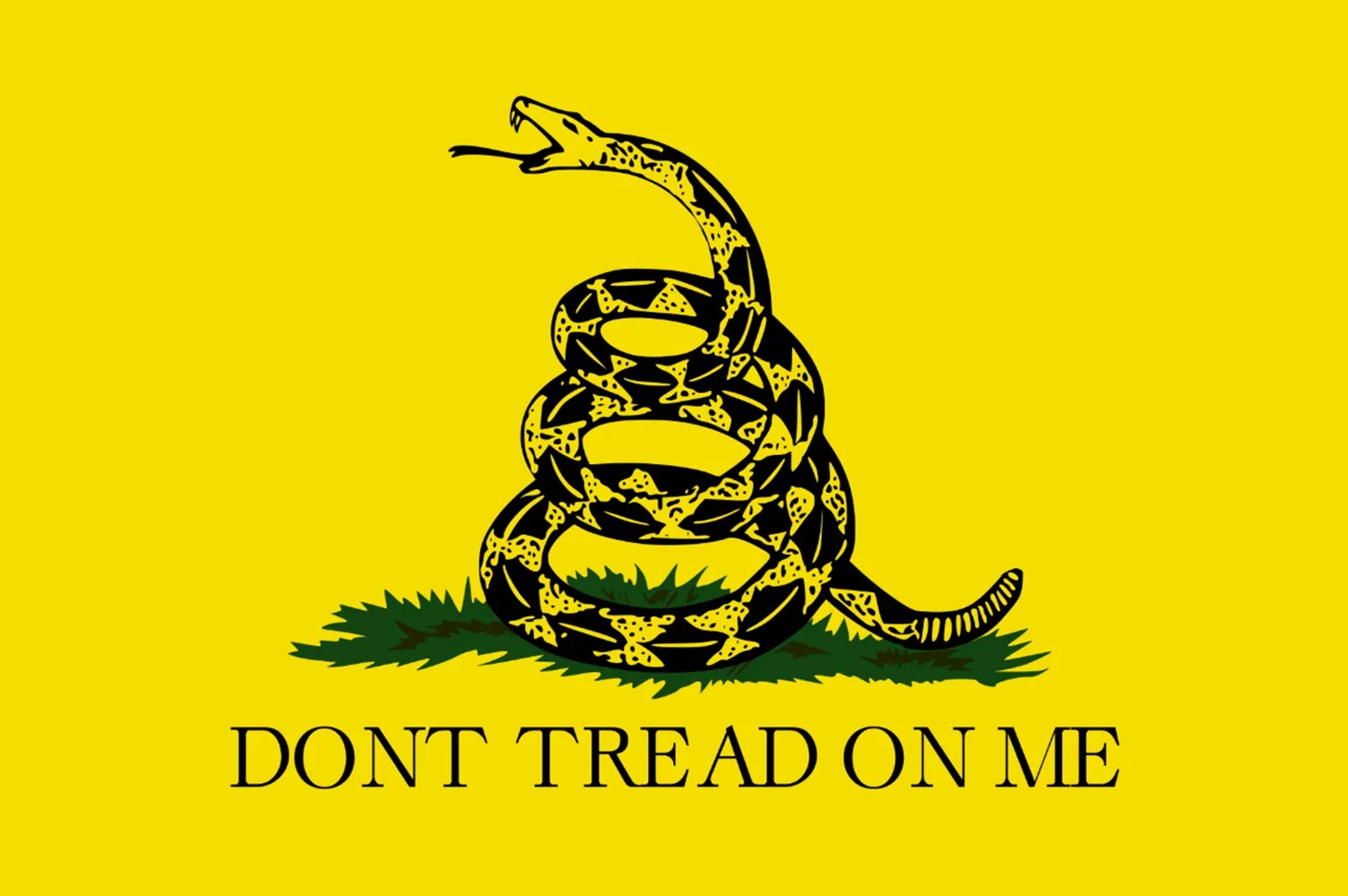
The yellow field, coiled rattlesnake, and “Don’t Tread on Me” motto are instantly recognizable. The Gadsden flag is often treated as a simple emblem, but its history is more layered: a Revolutionary-era naval standard, a symbol with earlier visual cousins, and a design whose meaning has shifted across generations.
Before the flag: a snake calling for unity
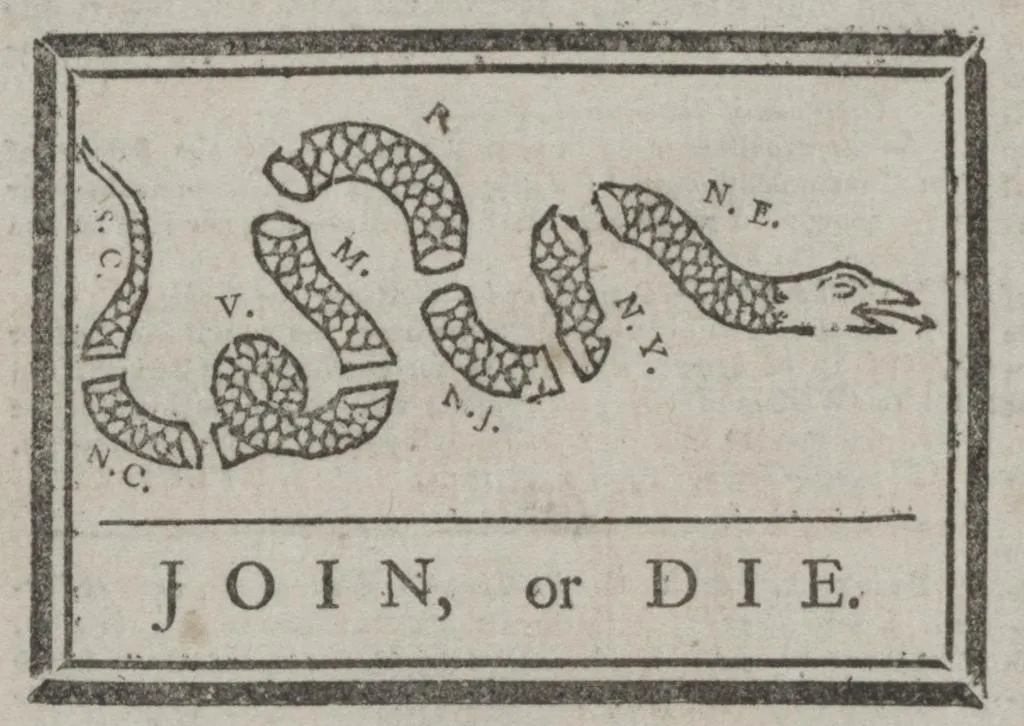
On May 9, 1754, Benjamin Franklin published a divided snake in the Pennsylvania Gazette with the words “Join, or Die.” It urged colonial unity amid conflict with France and its Indigenous allies. The meaning and context differ from the later Gadsden flag’s “Don’t Tread on Me.” A 1775 newspaper report also described a rattlesnake and motto on a Marines’ drum, signed “American Guesser,” a pseudonym associated with Franklin, but it does not prove he designed the emblem.
Who was Christopher Gadsden?

Born in Charleston in 1724, Gadsden became a prosperous merchant and advocate for colonial self-government, opposing the Stamp Act and serving as a delegate to the First Continental Congress. He returned to South Carolina in 1776, served as a colonel, and took part in the state’s revolutionary government. He was also a slaveholding planter; that full context belongs in the story.
What the records say about the flag’s origin
South Carolina’s Provincial Congress journal records that Gadsden presented a yellow naval standard with a coiled rattlesnake and “DON’T TREAD ON ME” on February 9, 1776. Naval History and Heritage Command associates the banner with Commodore Esek Hopkins. This documents Gadsden presenting the standard, but does not establish that he invented the rattlesnake symbol or copied Franklin’s cartoon. The Gadsden flag was not the official first flag of the United States; Congress adopted the stars and stripes in 1777.
What did “Don’t Tread on Me” mean?
In its Revolutionary setting, the motto is generally understood as a warning against oppression and a declaration that Americans would defend themselves if threatened. The snake signaled that a seemingly still creature could strike if provoked. The flag has not held one fixed meaning: it has appeared in patriotic and military settings and in modern libertarian and anti-government protest. The Tea Party movement, prominent from 2009, adopted it as a symbol of resistance to taxes and federal power. People may read the same flag differently depending on where and how it appears.
A short timeline
May 9, 1754: Franklin publishes “Join, or Die.” December 27, 1775: a newspaper report describes the snake and motto on a Marines’ drum. February 9, 1776: South Carolina records Gadsden’s presentation of the yellow naval standard. 1777: Congress adopts the stars and stripes. From 2009 onward, the Gadsden flag gains renewed visibility in modern protest movements.
The story behind the design
The flag’s meaning has changed across generations. The Gadsden design on an Average Joe shirt is intended as a chance to learn the history and share it with respect for the record and the different meanings people see in the symbol today.