Businesses · Draft feature
7 Mistakes You’re Making When Shopping “Made in America” (and How to Fix Them)
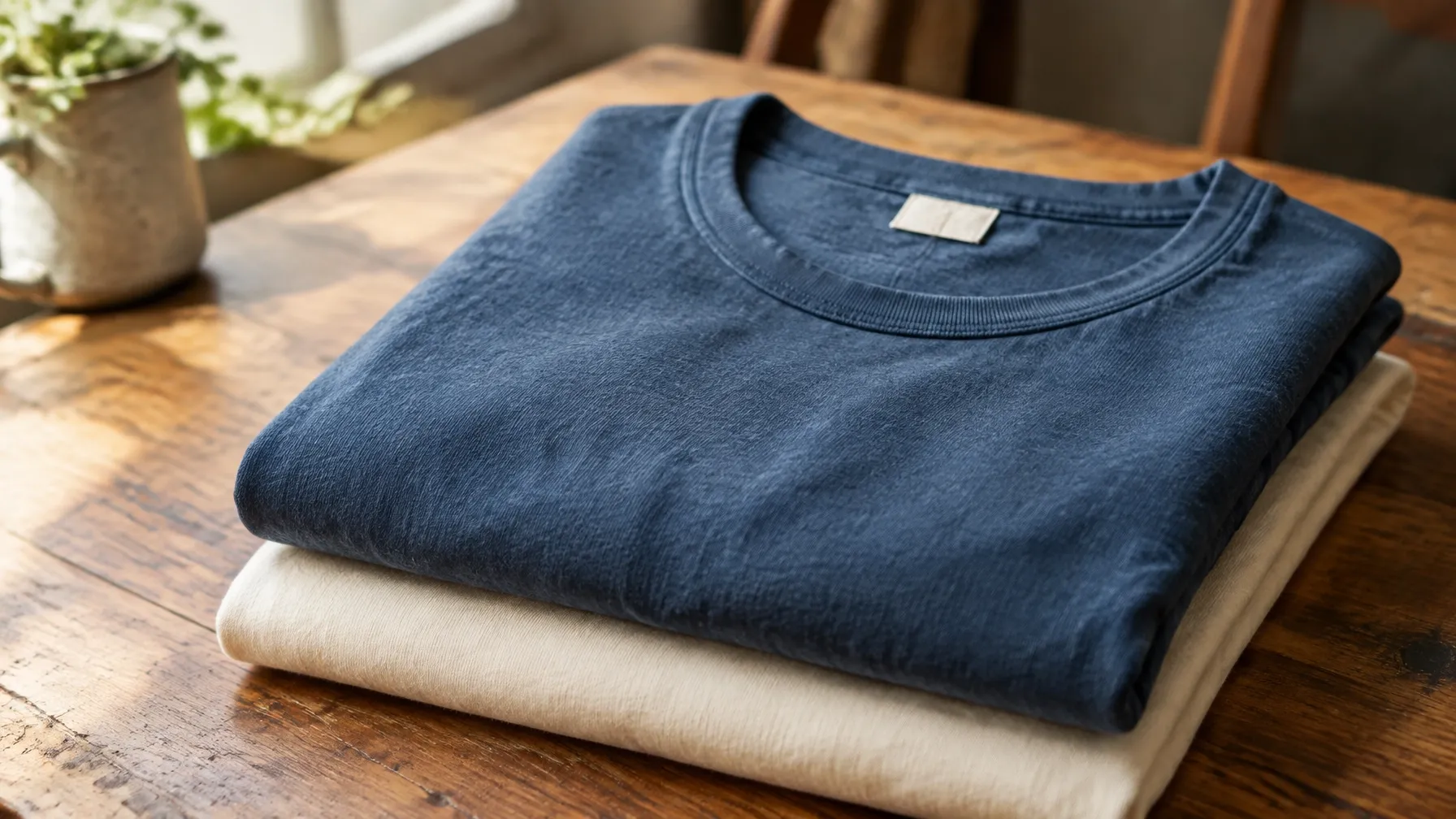
Shopping for American-made clothing can feel straightforward until similar labels start to mean different things. Here are seven common mistakes shoppers make, and practical ways to shop with more confidence.
Start with the claim
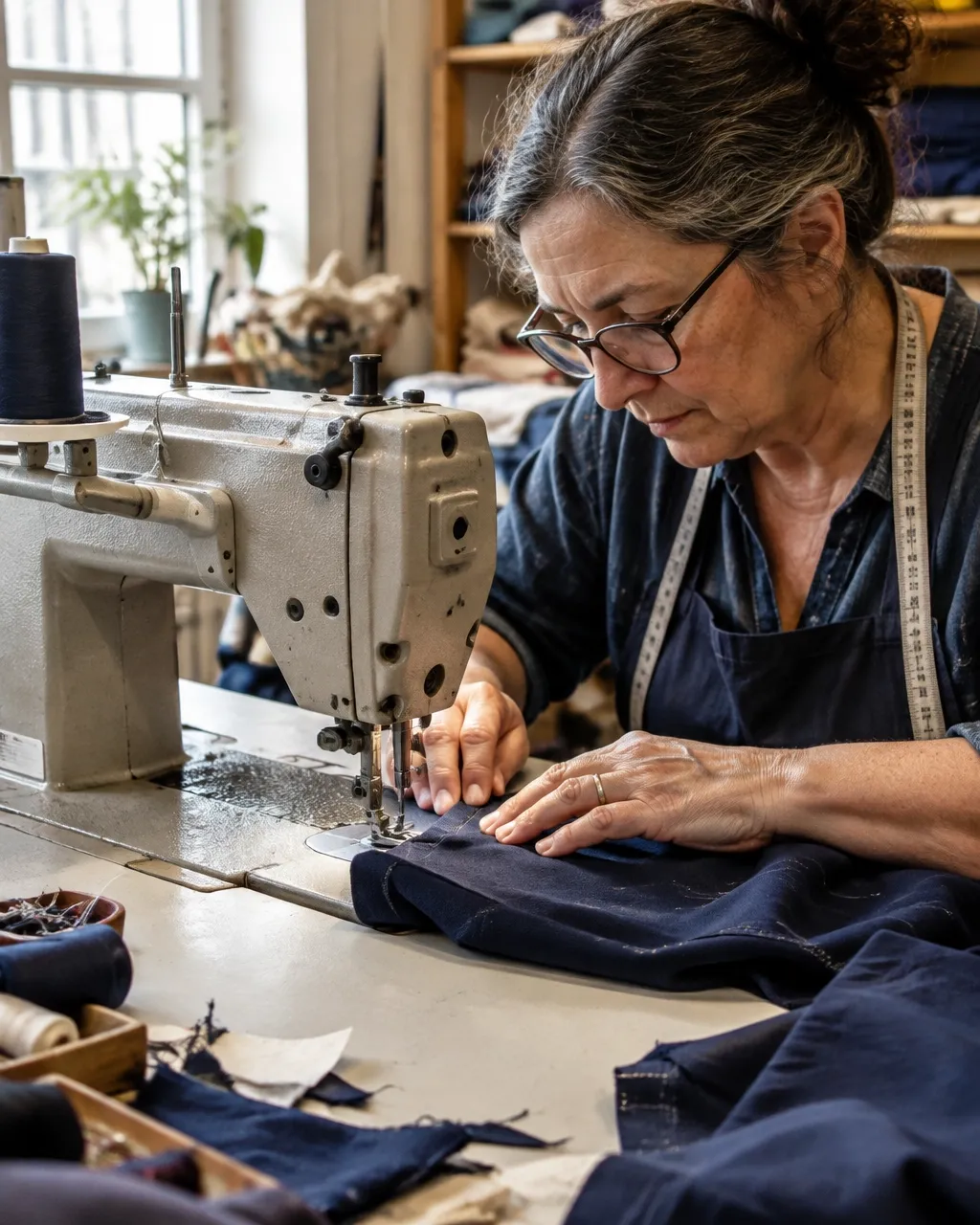
The Federal Trade Commission says an unqualified “Made in USA” claim generally means a product is “all or virtually all” made in the United States. Check the product details and sourcing information instead of treating a flag or slogan as proof. Read the FTC’s guide to complying with the Made in USA standard.
Don’t mistake patriotic branding for proof
Stars, stripes, eagles, and red-white-and-blue packaging can speak to a brand’s style or values, but they don’t tell you where a garment was cut, sewn, or finished. Look for a specific country-of-origin statement and an explanation of the manufacturing process.
“Assembled in USA” is not the same as “Made in USA”
Assembly wording can describe a product involving foreign-made components. The FTC says an unqualified “Assembled in USA” claim generally requires principal assembly here, substantial assembly, and a last substantial transformation in the United States. Ask what the phrase means for this garment.
Check fabric and other materials
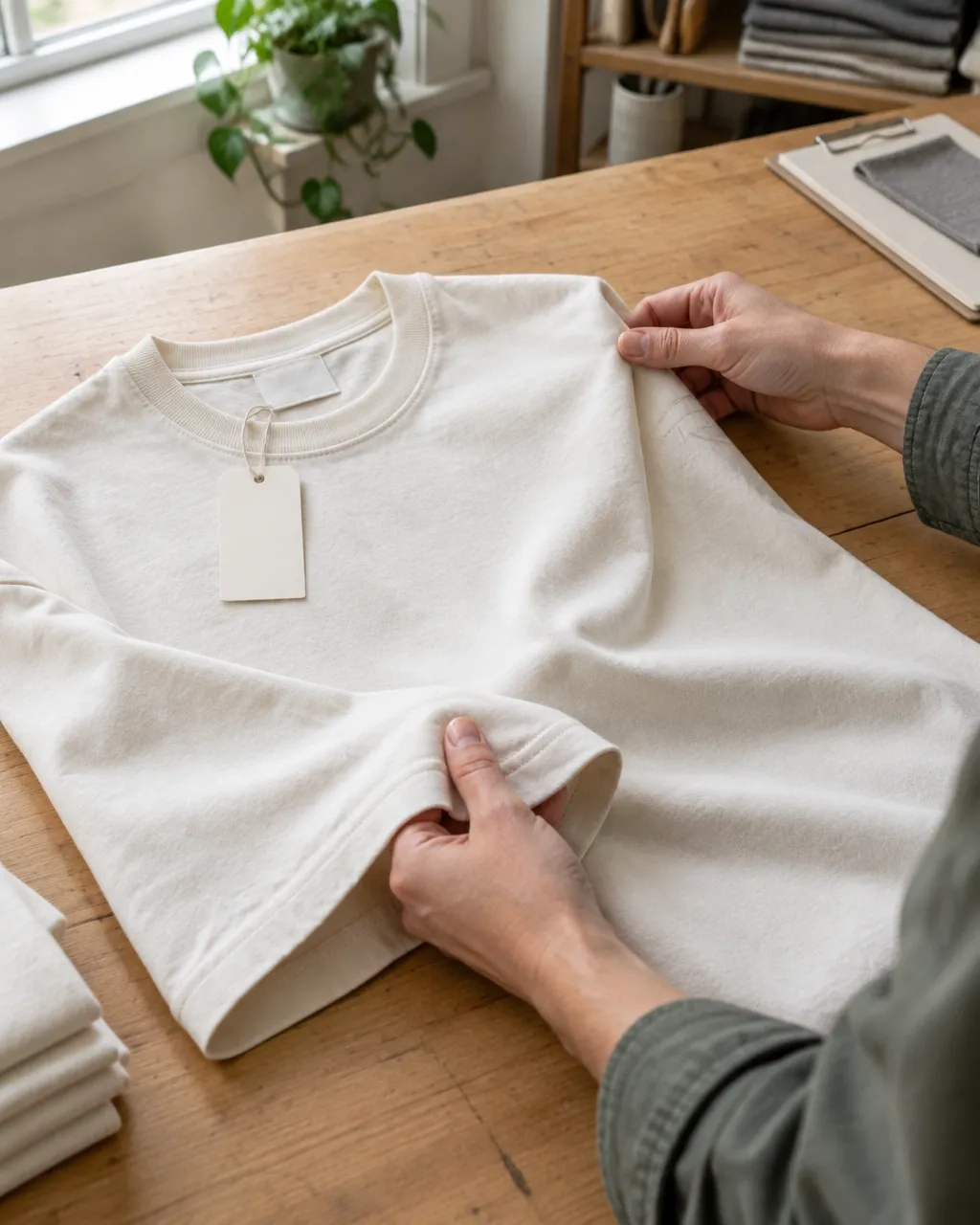
Fabric, yarn, thread, buttons, zippers, and labels may have different origins. Textile country-of-origin labeling has requirements separate from the FTC’s Made in USA marketing standard. Read the full label and product page; the federal textile origin regulation gives examples such as “Made in USA of imported fabric.”
Don’t assume American-made clothing must cost way more
Price matters, and a higher price doesn’t automatically mean a better shirt. Compare fabric, seams, fit, care instructions, transparency, and how often you’ll wear it alongside the price. Cost-per-wear can be a helpful comparison, not a promise that every domestically made garment is cheaper over time.
Look beyond big-box stores and familiar brands
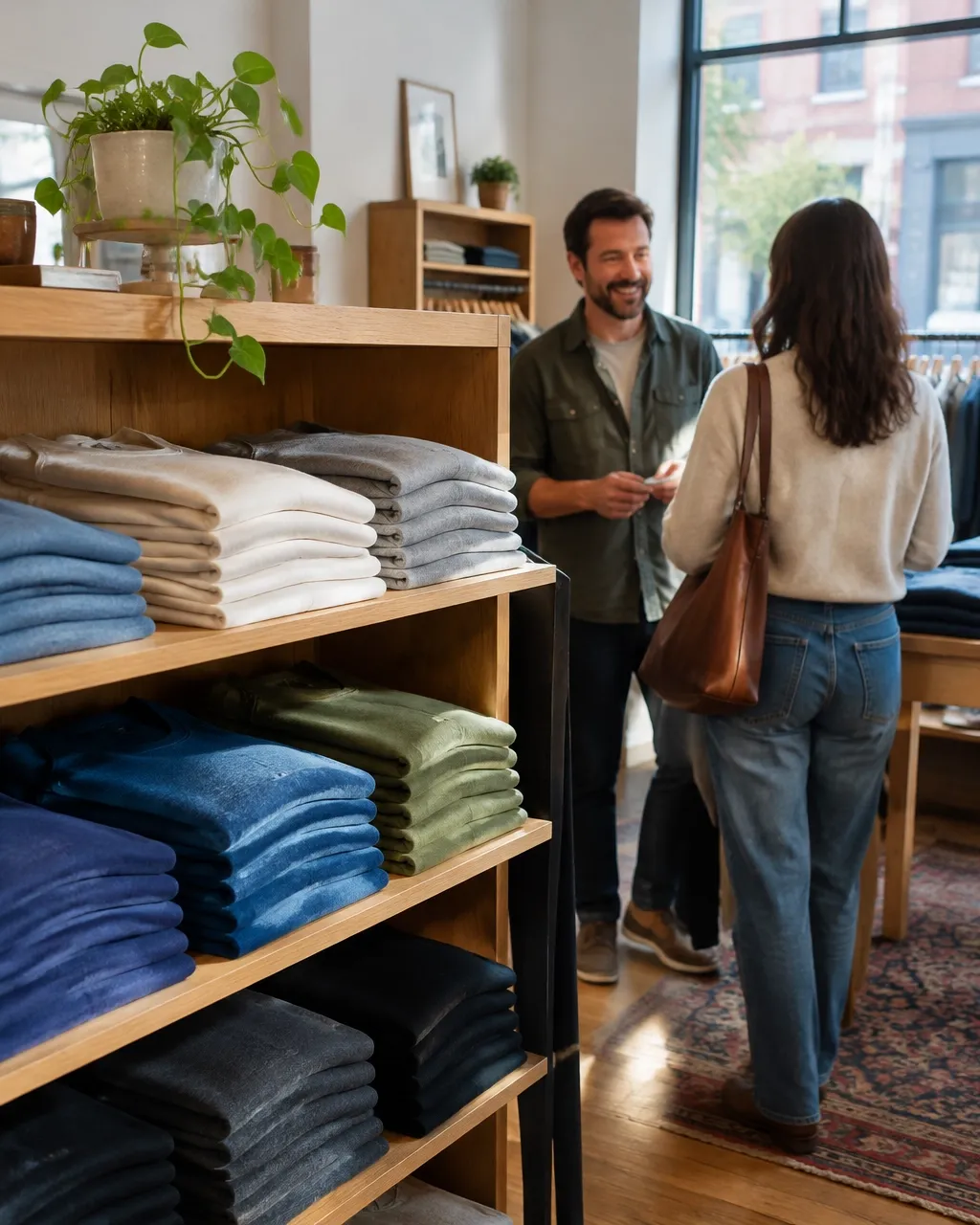
Independent labels may be more directly available to discuss their sourcing, though no company is automatically transparent based on its size. Search for the item you want, then review the brand’s product and sourcing pages. Assess every claim on its own merits.
Verify the claim, then shop with confidence
A couple of focused checks can help: review the FTC’s Made in USA guidance, look at the brand’s transparency page, and ask where the garment and its main materials are made. “Made in USA,” “Assembled in USA,” and “made with imported materials” can describe different things. At Average Joe, we believe clothing can carry a story worth sharing, including stories about American-made products, people, businesses, and places.
These tips are for everyday shopping, not legal advice. A little curiosity and clear questions can make the label easier to understand.