Places · Draft feature
Yellowstone National Park: The Wild Story Behind America’s First National Park
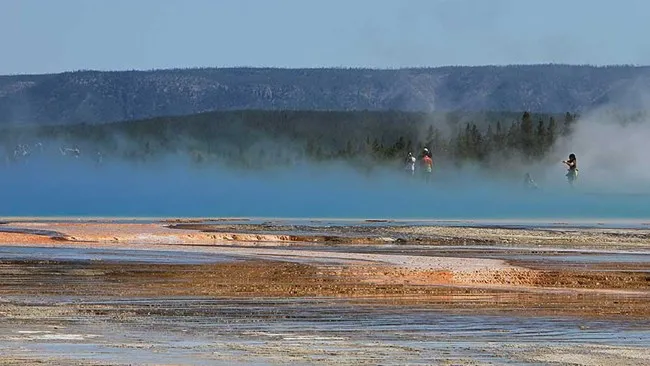
Yellowstone is a place where the ground itself seems alive. Steam drifts over blue pools, bison move across open valleys, and the sharp, mineral scent of hot springs hangs in the air. It’s easy to see why this corner of the American West captures people’s imaginations. But Yellowstone’s story is bigger than its famous geysers, and it began long before it became a national park.
A homeland, not an “undiscovered” wilderness
The National Park Service says human history in Yellowstone reaches back more than 11,000 years. Indigenous peoples hunted, fished, gathered plants, traded, and quarried obsidian; thermal waters held religious and medicinal importance. The NPS recognizes 27 associated Tribes with ancestral and modern connections to the park. Those connections continue. Read about the associated Tribes and historic Tribal connections.
The surveys that helped tell Yellowstone’s story
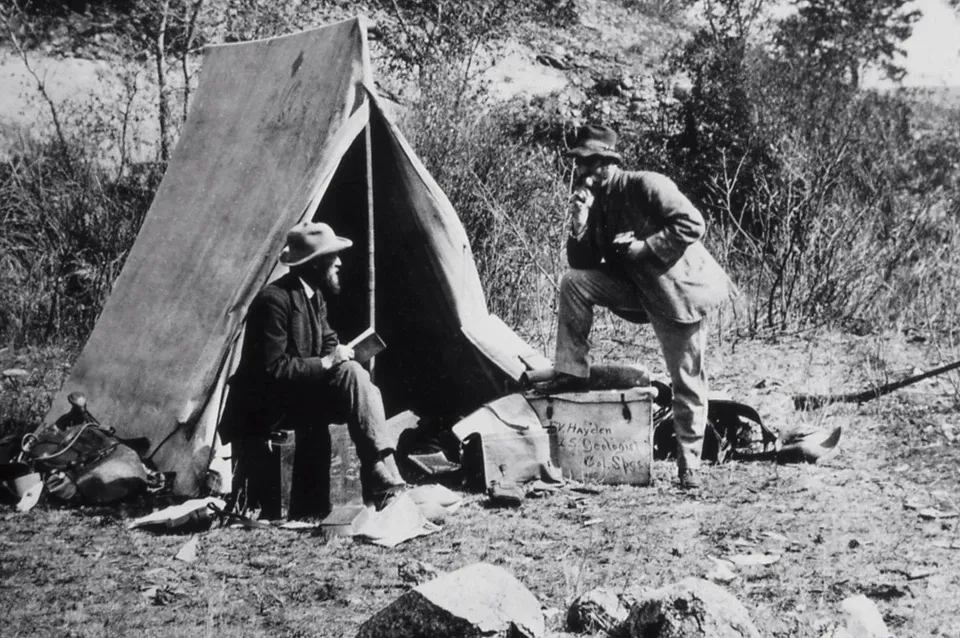
Indigenous people and other travelers had long known this region. The Washburn-Langford-Doane Expedition explored geyser country in 1870 and gave Old Faithful its name. In 1871, Ferdinand V. Hayden led a scientific survey with specialists, artist Thomas Moran, and photographer William Henry Jackson. Their maps, observations, paintings, and photographs helped build public and congressional support. The NPS details the early expeditions.
The 1872 act, and what “first” means
On March 1, 1872, President Ulysses S. Grant signed the Yellowstone National Park Protection Act, reserving the land as a public park “for the benefit and enjoyment of the people.” Yellowstone is widely recognized as the world’s first national park because it was the first area given that kind of national designation and protection through legislation. The act did not make the land empty or erase Indigenous ties; the park’s human story began long before its designation. The NPS recounts the park’s establishment.
Preservation is an ongoing job
Early superintendents had little funding and few staff. In 1886, the U.S. Army took charge of administration and helped enforce rules; Congress strengthened protections in 1894. The National Park Service began in 1916, and NPS rangers took responsibility for Yellowstone in 1918. Protection requires people, rules, knowledge, and steady care.
Old Faithful: a show put on by geology
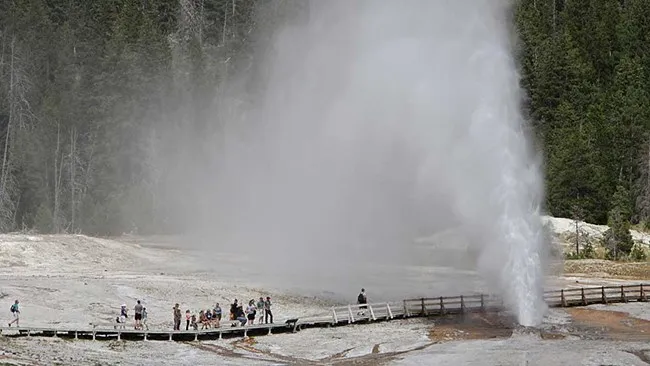
Old Faithful is one of nearly 500 geysers in Yellowstone, which contains close to 60 percent of the world’s geysers, according to the NPS. It is one of six geysers rangers currently predict; eruption intervals vary, so check the latest prediction. Boardwalks in the Upper Geyser Basin protect visitors from fragile ground and dangerously hot water. Learn about Old Faithful and the geyser basins.
Wild neighbors, wide-open views
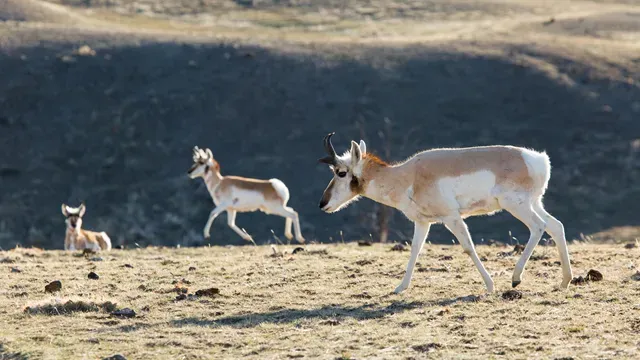
Yellowstone is home to 67 mammal species and nearly 300 bird species, including bison, elk, wolves, and two bear species. Give animals room: stay at least 100 yards from bears and wolves and 25 yards from other wildlife. Use roadside pullouts, binoculars, or a telephoto lens. See the NPS Yellowstone wildlife guidance.
What to know before you go
Yellowstone is enormous, and distances can take longer than a map suggests. Check road status, weather, and facilities before leaving. As of October 2026, the NPS says an entrance pass is required but vehicle reservations are not; Biscuit Basin is closed after a 2024 hydrothermal explosion. Conditions can change, so check current conditions, road information, and fees and passes. Stay on boardwalks, never enter hot springs, and bring layers.
A story worth wearing
Yellowstone belongs among the most remarkable National Parks and Historic Places in the USA for its geysers, wildlife, and many layers of history. Average Joe’s shirt-story series treats the Yellowstone design as a wearable reminder of this extraordinary place and the care its story deserves. Visit Average Joe.